Appalled, angry, devastated, but most of all confused. But also, “What if it happened to me?”

What if there was a concert… No! 2 concerts in the same day where 80% of the music pieces in each concert were written by me, including 2 pieces that were world premieres, how would I have felt? What if I was the composer who wrote the most eloquent melodies and harmonies to be played piano (softly) and there was no silence for this music to be appreciated? And of course, the soloist and the performers, how would these musicians have felt; they study hard for years to get the best sound out from their instrument and then their expressiveness is interrupted by… by babies?!
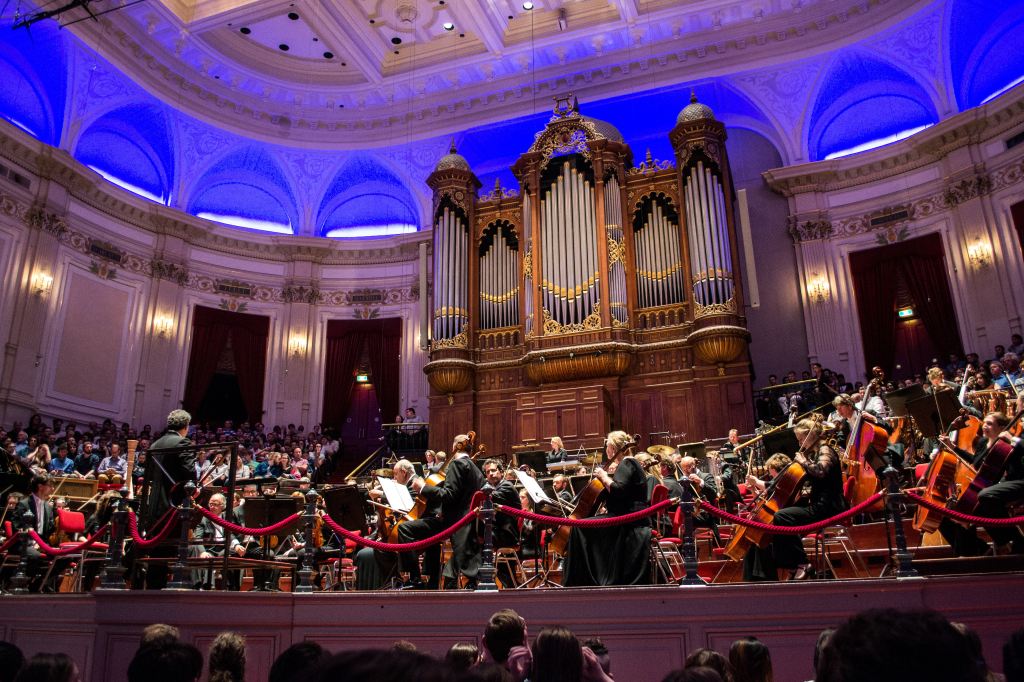
We were asked by audience members to leave the concert we were attending on a Saturday morning. Not just us but also another family with a very young child. Occasionally the children would make different sounds that the audience felt disturbing. The children who made the sounds were under 3 years and occasionally you could hear the older child’s colouring pencil against the paper as she was colouring and listening. The performance was in a church with lovely acoustics and the soft passages sounded phenomenal in there.

The vast majority of the people attending were over 50 years old and the church where the concert was held was almost full. The families with young children under 12 years could be counted on your hands — I counted only 5 families including us. There were 2 concerts, one at 11:30am and the second one at 2:30pm. This was a classical concert where, as mentioned above, 80% of the pieces performed at each concert were written by a living composer who attended the event — a Woman composer.
Do you know how rare it is to attend a classical concert, in a village, featuring a programme by living composers and performed by top class musicians? It is very rare. The music was extraordinary and I am very glad I attended. I am extremely glad my children had the chance to experience it as well.
The music would get very quiet and expressive and it was in those moments when a child would make some sort of sound. When applauding at the end of the 2nd piece in the 2nd concert, a(n older) lady indicated by covering her mouth that I should do the same to my child. Another lady came by intending to assist the other mum to take her child out as it seemed to her the child wasn’t enjoying the concert. She offered to stay outside until the loud piece would start. I feel that the age of these ladies and the vast majority of the audience is important as it also shows the future of classical and contemporary music in smaller areas in England. We did not hear from any of the musicians or the concert organisers about the noise.
What is the right attitude to have here? I expect this will find mixed responses but a conversation is important as it touches on many subjects and times are changing.

I am a composer. I could have easily (well, maybe not as easily as the composer commissioned is phenomenal but still I have some experience that I can relate to) had pieces performed at that event and someone else’s children made noise so the intricate, expressive, virtuosic parts would be lost in other noises negatively affecting the music, the performers perhaps and by extension the audience.
But why would the audience focus on the sporadic sounds of some children and not the music when all children were sitting in 1 corner with easy access to outside should it be necessary to leave?
I am a mother. The concerts were during the day on a Saturday. I was very happy I could take my children there – and I did not have to travel to London – so they could listen to live classical music. It happened that I did have help from a family member here and that gave me the extra reason why to go with the children. If needed one of us could take the fussy child outside. They weren’t fussy though. Each was doing what a child their age attending a concert like this would do: colouring / sleeping / watching Peppa Pig on the phone on silent. The noises happened when the music was very quiet and especially the youngest was trying to understand what was happening and be part of the group “don’t we clap and cheer sometimes?”
I could have of course chosen not to go with them since there was extra help in the house. But I want my children to learn to love music, experience the joys of live events. The programme for both concerts featured a living composer, a woman, with amazing compositions, have I mentioned that? This is how important contemporary music is for me and I want to pass that on to my children.
Why is it when making concerts for children the productions reuse music written more than 100 years ago and the same music for that matter — not all of course? I assure you I can use YouTube. Also, we listen to BBCR3 constantly in the house and the car so no need to carry on reproducing the same things again and again. And “just listening” is yet another process they should be exposed to.
Is classical music dying? Is it dead? Well, I believe carrying on like this it will be. The majority of the people attending were over 50 years of age. How do you think you get young people interested in classical music? It’s not when they are teenagers (it only worked for that 1 person you know). They are babies and they will cough and make a sound and get excited and confused. And their parents will be far more embarrassed than you think in those moments. With the concerts being during the day I immediately assumed it was open for children and that the performers would be understanding should there be some noises from them. Again, repeating that parents try with what they have to keep their children interested and quiet (watching Peppa Pig on silent).

As it has happened to me before only that 1st time it was at the Royal Albert Hall, again an 11am concert, we weren’t allowed to go in as the performer, playing some Beethoven piano sonatas, all available on YouTube by various other musicians, had announced to the RAH staff during a rehearsal he would stop performing if he heard the smallest of sounds. So a mum attending with her 2 children, 3 years and 1 year at the time, was a risk of that happening. And we were asked to leave. Luckily I was planning on purchasing tickets at the door so no money was spent.
But… Should the time of an event indicate if it is open to families? I don’t have an answer to this yet.
I don’t want to wait until my children are at the sitting-down-quietly-age to start attending such concerts. It is an experience I feel very strongly they should be having. Travelling to London to watch children’s shows is an option that we do, just once every few months or so. London is our closest mega-city as we live in the South East but it still needs a lot of planning and at least a week’s booking in advance to attend a show which can not become a routine at the moment. The children could (and have) come down with an illness, I spent a night at the A&E and went with my family to London for a show the following day because I had planned for it weeks in advance and it was an children’s show again! (shout out to London Rhymes) (I’m fine by the way, health is of course more important than anything else and I was really blessed I only had a minor injury).
Here are some ideas to be more inclusive when organising classical concerts, going beyond programming where you should definitely take the concert series I just wrote about as an example. I haven’t revealed who they are because I don’t want this to stigmatise them in any way. We attended other events by them and they have a very inclusive and welcoming approach.
Consider parents and young children when programming. Attending concerts and learning to love this experience starts from a young age and builds from there. Parents love socialising and attending shows that don’t compromise theirs or their children’s intelligence. All ideas mentioned below need a little bit of planning but so does everything else.

- Have a crèche and a show during the day. Hire a crèche company to set up a designated area inside the theatre walls for young children where parents can drop off their children before the show and pick them up when finished. SOS! Talk to the company for safety policies.
- Or just have a children’s corner with colouring pencils and (silent) toys with easy outdoor access.
- If the concert is in a big concert hall you can have a specific room for parents and their children. Install monitors and good quality speakers to live stream the concert. The children can play freely without disturbing the musicians, their parents are there keeping an eye on their kids and everyone is listening to the music
- Let the musicians know what to expect if you’re expecting children to be there. They should still perform their best and know that everyone is enjoying their playing. Different ages have different ways of expressing their admiration
- Mention at the beginning of the concert that there are children of various ages attending and how they might behave. In this way all audience members and musicians know what to expect. Parents feel seen and you remove part of the immense guilt they will feel once their children do a little bit of noise.
- Under 7-year-olds will definitely make some noise. Not all. But expect it to happen. If you definitely do not want that to happen then say it when advertising the event & booking tickets. It’s not just themes that are unsuitable for children but also if the music is better appreciated in dead-silence setting. I prefer to know if my children are not wanted before going there than going and being asked to leave. It’s OK.
- If the concert is during the day, I will assume it is open for all ages. If it is an evening concert, I will assume it is for an older audience. So again, being clear when advertising is important
- What if you had 2 concerts? One early in the day so families and considerate elderly can attend, and another in the evening for the more independent ones.
Thinking about families and children for something that is not directly created for them is not usual. Dear concert producer, if you have to cover inclusivity in your programmes, think about this and how much you would have helped develop culture in your area. The concert producers of the performances I attended were lovely and in their email specifically told me to bring my whole family. Dear audience member, consider if you are holding the keys to letting new audiences in this “uptight” classical music world. Dear Musician, You are great. Let’s talk.

 Rania Chrysostomou
Leave a comment